Every job starts and ends with the same standard: everyone goes home the way they came in. That’s not a slogan here, it’s the baseline every crew trains to, on every job site, every day.
Leading by Example
Safety isn’t a department bolted onto the business, it’s built into how we plan and run every project. Our crews carry OSHA 10 and 30-hour certifications, and every job we take on is bonded and fully insured. Standards like these aren’t the finish line, they’re the floor everything else gets built on.
Empowering Our Crews
The people closest to the work are the ones best positioned to catch a hazard before it becomes an incident. Every crew member is trained to speak up and stop work the moment something doesn’t look right, no exceptions, no hierarchy that overrides that call. A crew that owns its own safety, rather than just following a checklist, is the crew that makes the right call when no one’s watching.
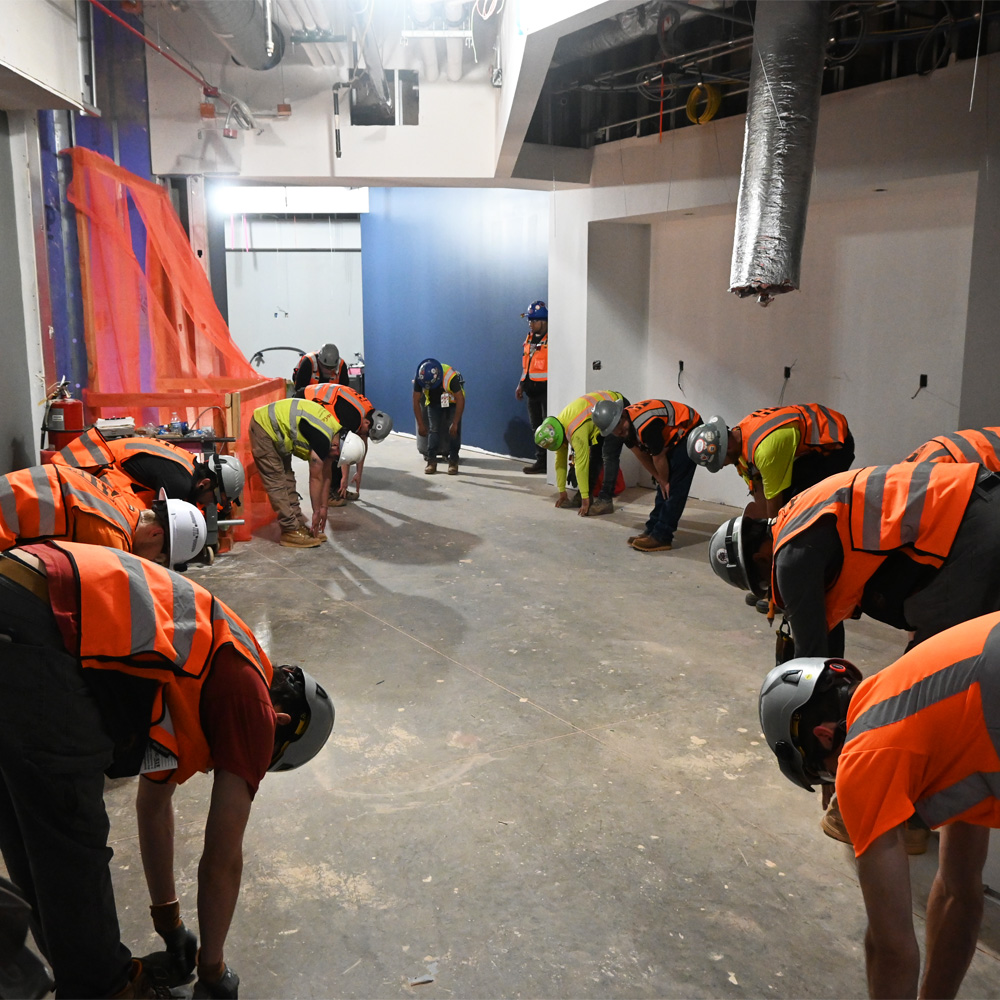
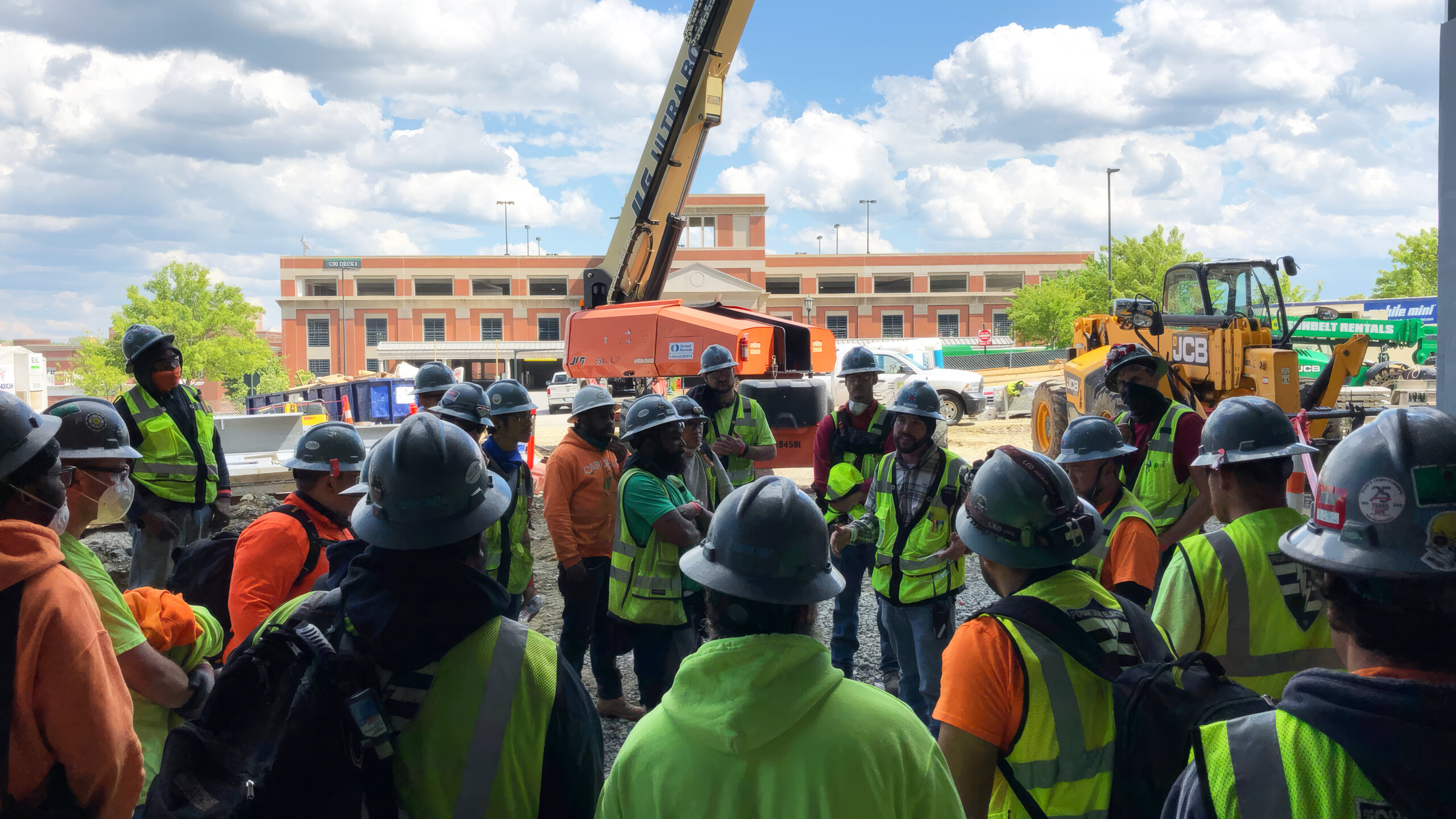
That ownership runs on real process, not good intentions alone. Every day starts with a morning huddle to review the work and the hazards it carries, and it’s backed by:
- Job Hazard Analysis (JHAs)
- Pre-Task Plans (PTPs)
- Tool Box Talks (TBTs)
- Weekly safety manual topic reviews
- Competent Person training
- Confined space training
- Trenching and excavation training
- Job-specific site safety orientations
- New hire orientation covering contractor safety, fall hazards, and workplace conduct
Every near miss gets reported, on every job site and in every office, and every incident triggers a root cause analysis to determine whether new controls, training, or protective equipment are needed. Safety here isn’t a reaction to what went wrong, it’s a standing process for making sure it doesn’t happen again.
Site Safety Leaders
As Fountain has grown, so has our safety oversight. Designated Site Safety Leaders, fully trained in OSHA 30 and specialized safety protocols, guide field safety initiatives through hands-on inspections, everything from temporary power panels to GFCIs, and work directly with our training team to close gaps before they become incidents.
OSHA 10 & 30-Hour Training
OSHA training isn’t a box to check here, it’s the baseline every field team member starts from. Topics covered include:
- The Focus Four hazards
- Fall protection
- Hazards in construction
- Foundations of safety leadership (OSHA 30)
- Wiring methods
- Temporary power
- Excavations and soil types
- Fire protection and prevention
- Hand and power tools
- Scaffolds, stairs, and ramps
- Lockout/Tagout (LOTO)
- GFCI protection
Our Safety Principles
- Every incident is preventable
- Plan the work before the work begins
- The right PPE, every time, no shortcuts
- If it’s not safe, it doesn’t happen
- Speak up, stop work, no exceptions
Environmental Responsibility
Electrical work carries real environmental responsibility too, safe disposal of old wiring, fixtures, and equipment, and proper handling of materials like ballasts and lamps that require specific disposal protocols rather than just going in a dumpster. Every project is held to the same standard for responsible waste disposal and code compliance.
Health & Safety On the Job
Trade work is physical, and the conditions crews work in, heat, heights, confined spaces, live electrical systems, carry real risk if they’re not respected. Every crew gets the training and protective equipment the job actually calls for, not the minimum required to get by, because the goal isn’t passing an inspection. It’s everyone going home safe.
None of this is aspirational. Every program on this page runs under OSHA regulations and NFPA standards as the floor, not the goal, because a hazard-free job site isn’t something we claim, it’s something we build every single day.